Ceylon Cinnamon vs Cassia Cinnamon
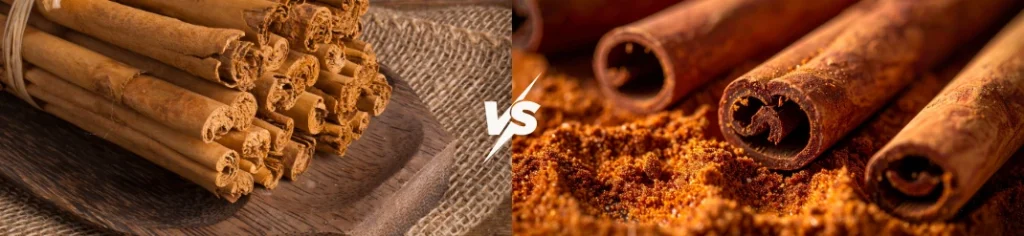
Ceylon cinnamon vs cassia cinnamon differ significantly in flavor strength, application, cost structure, and sourcing suitability while both are used globally. Understanding these differences is essential for buyers making bulk purchasing and long-term supply decisions.
Ceylon Cinnamon vs Cassia Cinnamon: Overview
For buyers sourcing at scale, cassia cinnamon is generally preferred due to its stronger flavor impact and cost efficiency.
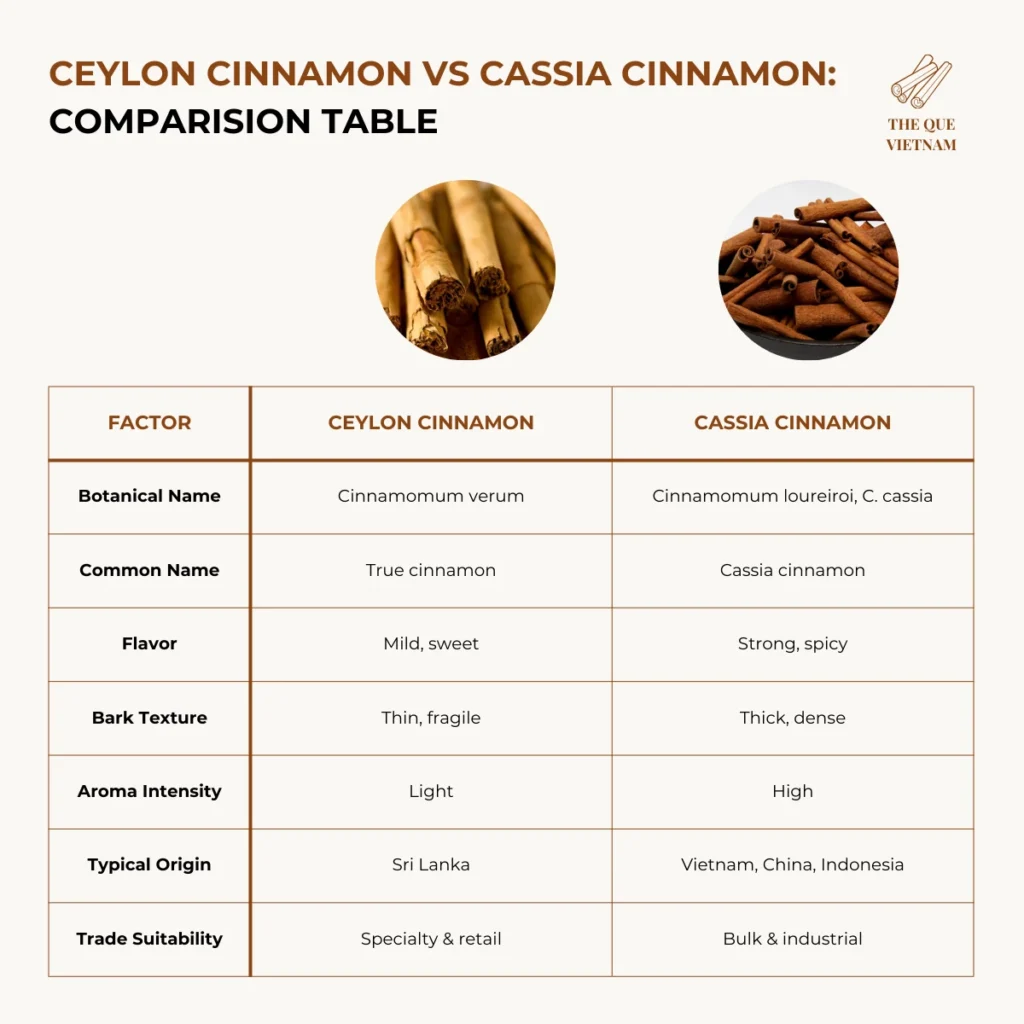
Cassia vs Ceylon Cinnamon: Flavor & Performance
One of the biggest differences between cassia cinnamon and Ceylon cinnamon is aroma strength.
-
Ceylon cinnamon offers a subtle, delicate profile
-
Cassia cinnamon delivers bold aroma and flavor
In food manufacturing and spice blending, cassia is often chosen because:
-
Smaller quantities achieve desired flavor
-
It performs better in high-volume production
-
It remains aromatic after processing
This performance difference is a key reason why cassia dominates bulk cinnamon trade.
Cassia Cinnamon Difference: Structure & Processing
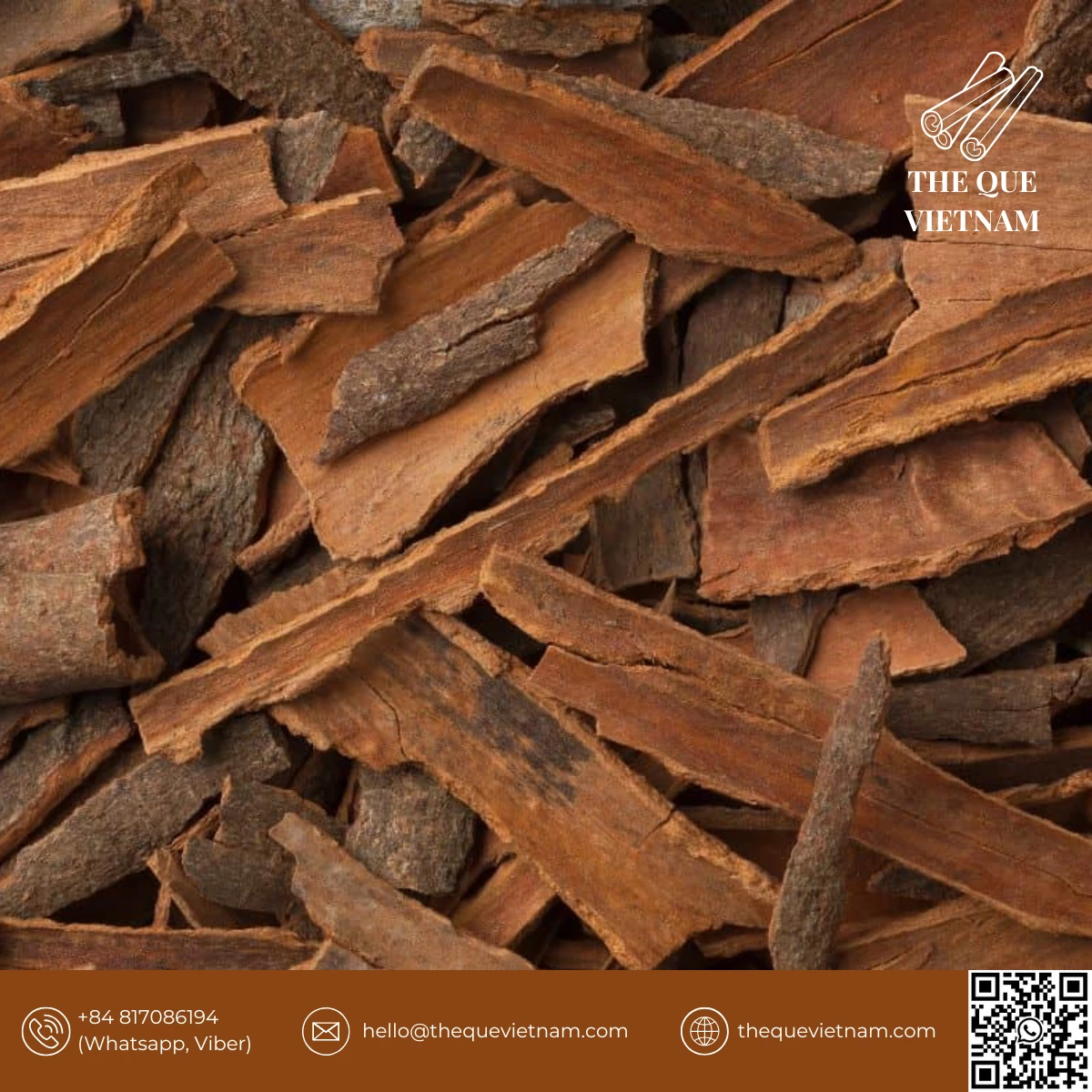
Cassia cinnamon has: thicker bark, denser structure & stronger essential oil concentration
These traits make cassia:
-
Easier to transport in bulk
-
More suitable for grinding
-
More stable during storage
Ceylon cinnamon, by contrast, is more fragile and typically positioned for premium consumer markets rather than industrial use.
Cassia vs True Cinnamon: Cost & Supply Considerations
Ceylon cinnamon is often referred to as true cinnamon, but this does not automatically make it the right choice for every buyer.
From a commercial standpoint:
-
Ceylon cinnamon has higher cost per unit
-
Supply volumes are more limited
-
Pricing volatility can be higher
Cassia cinnamon, especially from Vietnam, offers:
-
More stable supply
-
Competitive pricing
-
Established export infrastructure
For buyers evaluating cassia vs true cinnamon, cassia is usually the more practical option for bulk procurement.
Ceylon Cinnamon vs Cassia Cinnamon for Bulk Buyers
For bulk buyers and importers, decision criteria often include:
-
Flavor efficiency
-
Cost-performance ratio
-
Supply reliability
-
Export readiness
In most cases:
-
Cassia cinnamon meets industrial and wholesale requirements better
-
Ceylon cinnamon serves niche or premium retail segments
This explains why many buyers sourcing from Vietnam focus on cassia cinnamon sticks rather than Ceylon varieties.
Vietnam Cassia Cinnamon in Global Trade
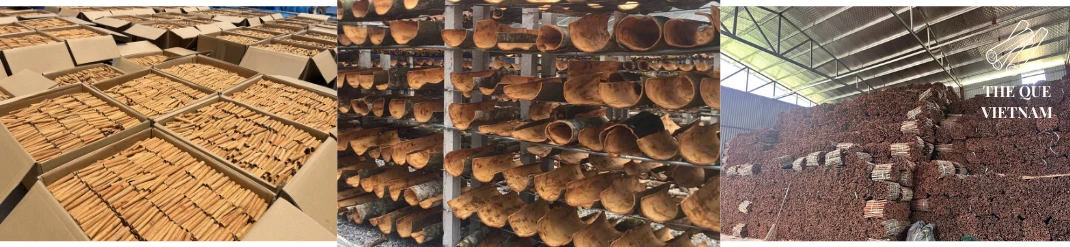
Vietnam is widely recognized as a leading source of high-aroma cassia cinnamon.
When buyers search for cassia Vietnam, they are typically looking for:
-
Strong flavor profiles
-
Export-ready supply
-
Competitive pricing
Vietnamese cassia, often marketed as Saigon cinnamon, plays a major role in global cinnamon supply.
Choosing the Right Cinnamon for Your Market
There is no universal “better” cinnamon — only the right cinnamon for the intended application.
-
Choose Ceylon cinnamon for:
-
Delicate flavor requirements
-
Premium consumer branding
-
-
Choose Cassia cinnamon for:
-
Bulk food manufacturing
-
Strong aroma applications
-
Cost-efficient sourcing
-
Understanding these differences helps buyers make informed sourcing decisions.
Cinnamon Supplier & Export Considerations
Once the cinnamon type is selected, buyers should evaluate: (1) Supplier reliability, (2) Export experience, (3) Quality consistency, (4) Communication transparency
The Que Vietnam supplies cassia cinnamon products from Vietnam, supporting buyers with export-ready bulk supply.
Final Note for Importers
Understanding the difference between cassia cinnamon and Ceylon cinnamon helps buyers avoid misaligned sourcing and ensure product-market fit.
For buyers sourcing at scale, cassia cinnamon from Vietnam remains a strategic and widely adopted choice.
📩 Contact us to discuss bulk supply requirements and follow us on Linkedin & Facebook for updated news!
-
Email: nhi.nguyen@thequevietnam.com
- Phone Number: +84 817086194 (Whatsapp, Viber)
-
Website: https://thequevietnam.com/